It truly flummoxes you to lose a tooth. Maybe it was some sort of surprise accident, some hidden cavity, or simply one of the things that happens in life. Whatever it was, it may throw you for a loop and make you self-conscious about your smile. Fortunately, this: dental implants are basically the do-over for your teeth.". They’re strong, they look totally natural, and with a little TLC, they can stick around forever. If you’re wondering what it’s like to get an implant, I’m here to break it down for you, step by step, like we’re just chatting over coffee. From your first dentist visit to showing off your new grin, here’s the full scoop on the dental implants process—and why it’s such a big deal.
Related: Do Dental Implants Prevent Bone Loss? Here’s What You Need To Know
Why Dental Implants Are So Cool
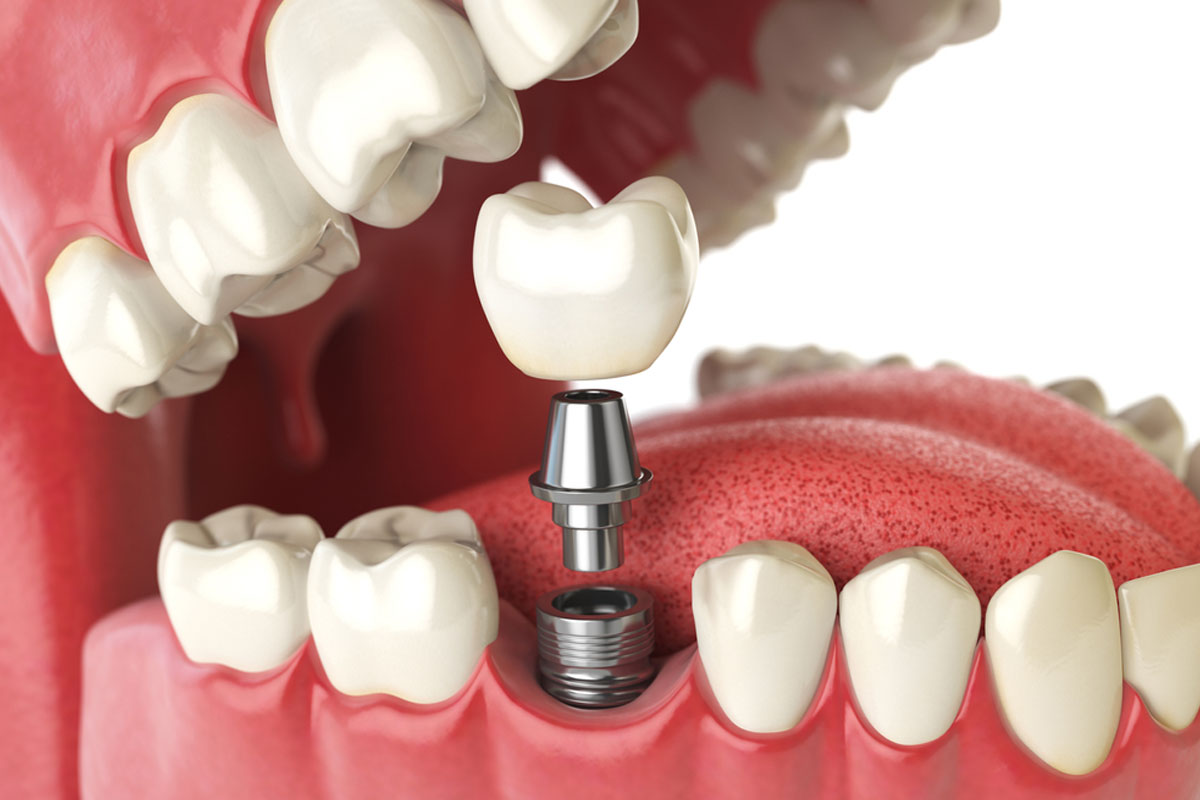
Before we get into the nitty-gritty, let’s talk about why implants are worth getting excited about. Unlike dentures that might wiggle around or bridges that lean on your other teeth, implants are like the real deal. They’re little titanium posts that act like tooth roots, anchoring a custom-made crown that blends right in with your smile. They let you munch on tacos, laugh without worrying, and feel like yourself again. Plus, they keep your jawbone from shrinking, which can happen when you lose a tooth. Ready to see how it all comes together? Let’s walk through it.

The Dental Implants Process, Step by Step
Getting an implant isn’t something you knock out in an afternoon—it’s a process with a few stages. But don’t stress; it’s pretty straightforward, and your dentist will be with you every step of the way. Here’s what goes down.
Step 1: Kicking Things Off with a Check-Up
First things first, you’ll sit down with your dentist or an oral surgeon to figure out if implants are right for you. Think of this as the “let’s make a plan” stage. Here’s what happens:
-
Taking a Peek: They’ll check out your mouth—your gums, your remaining teeth, and your overall health—to make sure you’re good to go.
-
Snapping Pics: X-rays, and sometimes cool 3D scans, show them what’s going on with your jawbone and where the implant will fit.
-
Chatting It Up: You’ll talk about what you want, your health history, and any worries. Stuff like smoking or gum issues might need a little extra attention, but it’s usually workable.
-
Making a Game Plan: They’ll map out a plan just for you, including how long it’ll take and what it’ll cost.
This visit’s all about getting on the same page and knowing what to expect. You’ll walk out with a clear idea of what’s next.
Step 2: Getting Your Mouth Ready
Sometimes, your jaw needs a bit of prep work before it’s ready for an implant. If you’ve lost some bone (which can happen after a tooth is gone for a while), you might need:
-
Bone Grafting: This is like giving your jaw a boost. They add bone material—could be from you, a donor, or something lab-made—to make it strong enough for the implant. It sounds like a lot, but it’s pretty common and heals up in a few months.
-
Fixing Other Stuff: If you’ve got a damaged tooth or gum problems, they’ll sort those out first to set the stage.
Not everyone needs this step, but if you do, it’s like laying a solid foundation for a house.
Step 3: Popping in the Implant
This is the big moment—the surgery where the implant goes in. Don’t let “surgery” scare you; it’s usually no big deal. Here’s how it goes:
-
Getting Comfy: They’ll numb you up with local anesthesia so you don’t feel a thing. If you’re nervous, you can ask about sedation options like laughing gas to keep you relaxed.
-
Placing the Post: The dentist makes a small cut in your gum and drills a tiny spot in your jawbone to slide in the titanium post. That’s the “root” of your new tooth.
-
Wrapping Up: They stitch up the gum, and you’re good to go. The whole thing usually takes an hour or two per implant.
You might be a little sore afterward—think of it like a tough workout. Ice packs and some ibuprofen usually do the trick.
Step 4: Letting It Settle In
Now, it’s time for your body to work its magic. The implant needs to bond with your jawbone in a process called osseointegration (fancy, right?). This is what makes implants so solid. Here’s the deal:
-
Chilling Out: It takes about 3-6 months for the implant to fully fuse with the bone. You might get a temporary crown to wear in the meantime, or just roll without one for a bit.
-
Taking Care: Stick to softer foods and keep your mouth super clean to avoid any infections.
-
Quick Check-Ins: Your dentist might want to peek at your progress to make sure everything’s on track.
This part’s a waiting game, but it’s what makes your implant feel like a real tooth.
Step 5: Adding the Connector
Once the implant’s nice and cozy in your jaw, it’s time to add the abutment—the little piece that connects the implant to your new tooth. Here’s what’s up:
-
Quick Procedure: If your gum was closed over the implant, they’ll reopen it to attach the abutment. It’s a small step, and healing’s usually quick, like a week or two.
-
Sometimes Skipped: Some dentists pop the abutment in during the first surgery, so you might not need this extra visit.
This step’s like adding the bridge between your implant and the finish line.
Step 6: Getting Your New Tooth
The moment you’ve been waiting for! It’s time to add the crown (or a bridge/denture if you’re replacing more teeth). Here’s how it wraps up:
-
Crafting the Crown: Your dentist takes impressions of your mouth to make a crown that matches your other teeth perfectly—color, shape, the whole deal.
-
Hooking It Up: The crown gets attached to the abutment, either screwed or cemented in place. It’s made to blend right in with your smile.
-
Fine-Tuning: Your dentist checks the fit and your bite to make sure everything feels just right.
And just like that, you’ve got a brand-new tooth that looks like it’s always been there.
Step 7: Keeping Your Smile in Check
Your implant’s in, but you’ve gotta keep it happy. It’s super easy:
-
Brush and Floss: Treat it like your other teeth—brush twice a day, floss daily.
-
Swing by the Dentist: Hit up your regular cleanings every six months to keep everything in tip-top shape.
-
Skip the Bad Stuff: Smoking or chewing on hard things (like pens or ice) can cause trouble, so try to avoid them.

Who’s a Good Fit for Implants?
Pretty much anyone with healthy gums and enough jawbone can get implants. If you’ve got gum disease, smoke, or something like diabetes, you might need a little extra prep, but it’s usually doable. Your dentist will give you a full check-up to make sure you’re good to go. Age doesn’t matter much—whether you’re in your 20s or 80s, implants can work as long as your health’s solid.
How Much Is This Gonna Cost?
Let’s be real—implants aren’t cheap, but they’re a long-term investment in your smile. Costs depend on where you live, how many implants you need, and if you need extras like bone grafts. A single implant might run a few grand. Some insurance plans pitch in, but others might say it’s “cosmetic.” Ask your dentist about payment plans—they’re usually happy to work with you to make it affordable.
Why Implants Are Better Than the Alternatives
Compared to dentures or bridges, implants are in a league of their own:
-
Built to Last: They can stick around forever, while dentures might need replacing every 5-10 years.
-
Look Real: They blend in so well, no one will know they’re not your original teeth.
-
Keep Your Jaw Happy: Implants stop your jawbone from shrinking, which happens when teeth are gone.
-
No Extra Work: No soaking or special cleaners—just your usual brushing and flossing.
A Quick Look at Other Dental Stuff
Implants are awesome, but they’re part of a bigger picture. Here’s a taste of other dental services you might come across:
-
Regular Cleanings: Keep your mouth fresh and catch problems early.
-
Whitening: Make your new implant’s neighbors just as bright.
-
Braces or Aligners: Straighten out your smile for a perfect lineup.
-
Emergency Fixes: For those “oh no” moments like a knocked-out tooth or killer pain.

Picking the Right Dentist
A good dentist is like your go-to mechanic—you want someone who knows their stuff and makes you feel at ease. Here’s what to look for:
-
Experience: Go for someone who’s done a bunch of implants or has training in oral surgery.
-
Cool Tools: Dentists with 3D scans or guided surgery tech get better results.
-
Good Rep: Check out reviews or ask for before-and-after pics to see what they can do.
-
Easy to Talk To: You want someone who explains things clearly and listens to your questions.
Wrapping It Up
Getting a dental implant might sound like a big deal, but it’s really just a series of simple steps that lead to a killer smile. From the first check-up to rocking your new tooth, the process is all about giving you something that looks, feels, and works like the real thing. Whether you’re replacing one tooth or a few, implants let you eat, smile, and live with confidence. Find a dentist you vibe with, take care of your new tooth, and get ready to show off that grin like it’s nobody’s business.
Related: Finding The Best Dental Implants Near Me: Your Guide To A Confident Smile