Losing a tooth can shake your confidence, but dental implants offer a way to reclaim your smile with a solution that feels like the real thing. These tiny marvels—titanium posts topped with lifelike crowns—blend so well you might forget they’re not your natural teeth. They’re a game-changer for anyone tired of gaps or wobbly dentures, promising a grin that’s both functional and easy on the eyes. But here’s the catch: getting them right depends on picking the perfect professional for the job.
That’s where things get tricky. Should you go with a dental implant dentist or an oral surgeon? Both bring skills to the table, but their expertise varies. This article breaks it down, digging into what each professional offers and how they tackle implant cases. Whether your situation is straightforward or a bit more involved, we’ll walk you through what matters—experience, training, and your unique needs. The goal? To help you choose the right hands for a smile that lasts. By the end, you’ll see that finding the best fit isn’t just about credentials—it’s about matching the pro to your case for results that shine.
Understanding Dental Implants
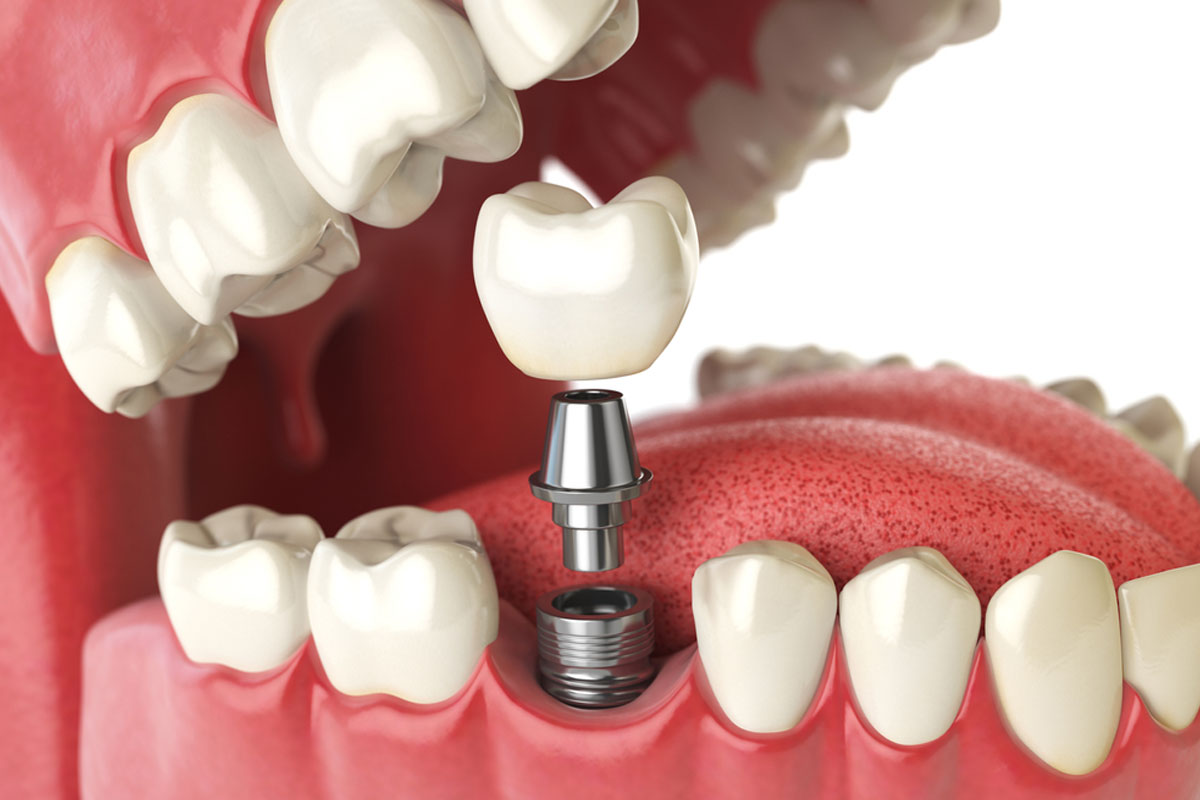
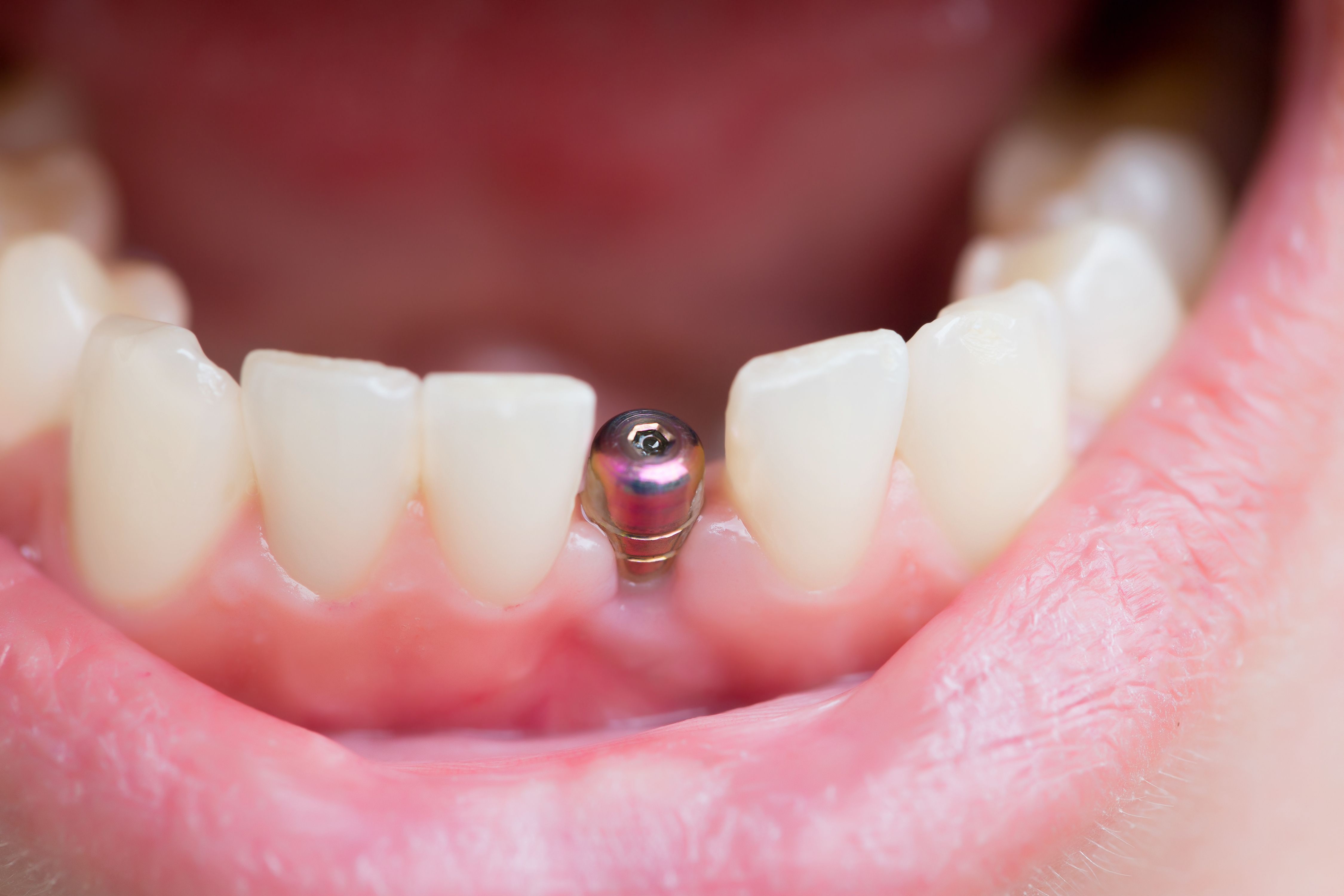
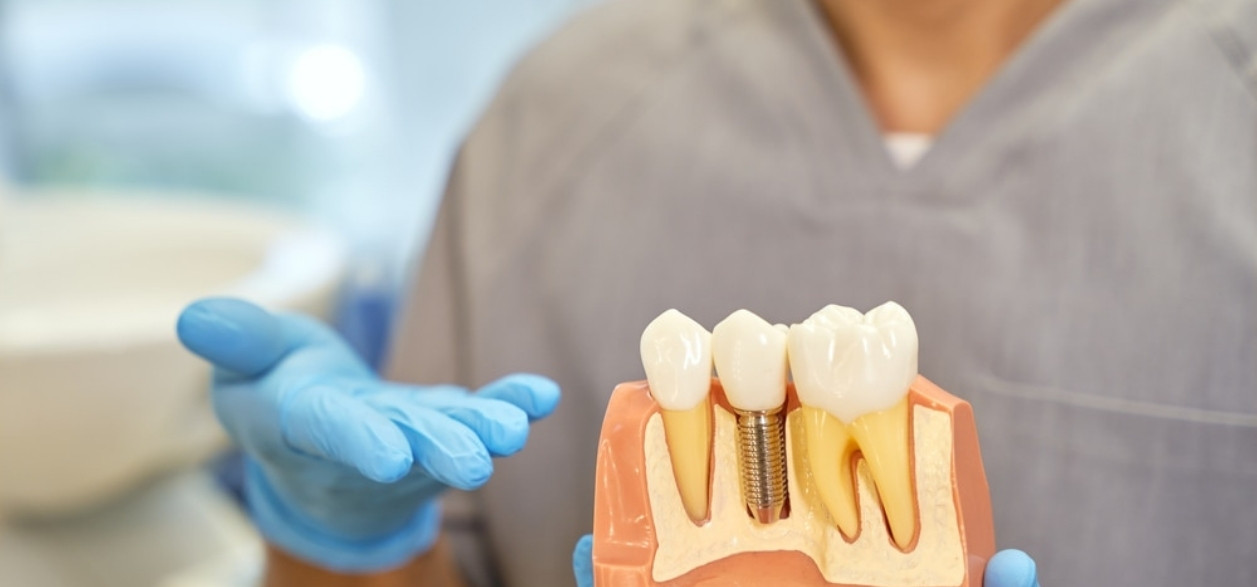
Dental implants are a kind of high-tech replacement for missing teeth, built to look and work exactly like the real thing. Think about this: a small titanium screw, called the implant, is placed in your jawbone to act as a tooth root. On top of that, the abutment, a small connector piece, and then a custom-made crown that's shaped and colored to match your smile. They form a rock-solid team that's tough to beat.

Why settle for implants when you could get dentures or bridges? They're in to stay—decades, not years. They allow you to bite into a steak without terror, smile without covering, and keep your jawbone from dwindling, what happens when you lose teeth. The process starts with surgery to place the implant, then there's a healing period where it becomes anchored in your bone. After that, the abutment and crown go on, and boom—you’re back to smiling wide.
Sounds simple, but it’s not a DIY job. Messing up the placement can lead to wobbly implants or infections, so you need someone who knows their stuff. Whether it’s a dental implant dentist or an oral surgeon, their know-how makes or breaks the outcome. With the right pro, implants don’t just fill gaps—they give you back your bite, your look, and your swagger.
Read more: Do Dental Implants Prevent Bone Loss? Here’s What You Need To Know
Who is a Dental Implant Dentist?
A dental implant dentist is your go-to pro for replacing missing teeth, often a general dentist or prosthodontist who’s leveled up with extra training in implants. Think of them as the friendly neighborhood dentist who’s gone deep into the world of titanium posts and crowns. They start with dental school—years of learning the ins and outs of teeth—then pile on specialized courses in implantology. Many earn credentials from groups like the American Academy of Implant Dentistry (AAID) or the International Congress of Oral Implantologists (ICOI), proving they’ve got the chops to handle implants with precision.

Their day-to-day involves sizing up your mouth, planning the implant, drilling it into place, and topping it with a crown that looks like it grew there. For straightforward cases—like swapping out a single tooth—they’re a one-stop shop. The best part? They probably already know your dental history, so there’s no starting from scratch. You’re in and out of the same office, which feels comforting and convenient. Plus, they’re usually easier to book than specialists, with offices popping up everywhere.
But they’re not superheroes for every scenario. If your jawbone’s too thin or you’ve got a tricky case, they might pass you to an oral surgeon for the heavy lifting. That’s not a knock on their skills—it’s just them knowing when to call in the big guns. For most folks, though, a dental implant dentist is like a trusted guide, walking you through the process with a familiar face and a steady hand.
Who is an Oral Surgeon?
An oral surgeon is the rockstar specialist you call when dental implants get complicated. These pros, trained in oral and maxillofacial surgery, handle the tough stuff that makes regular dentists pause. They kick things off with a dental degree, just like any dentist, but then dive into a grueling 4-6 years of surgical residency. That’s where they master everything from slicing jaws to rebuilding bones, learning to navigate the face and mouth like a map they’ve drawn themselves.

Their playground? Complex cases. Need a bone graft because your jaw’s too weak? They’ve got you. Sinus lift to make room for implants? No sweat. Full-mouth reconstructions with a dozen implants? They’re already scrubbing in. Oral surgeons shine in high-stakes procedures, wielding advanced tools and anesthesia skills to keep you comfortable, even when they’re reshaping your jaw. If something goes sideways—like a nerve issue or infection—they’re trained to handle it without breaking a sweat.
The trade-off? Their expertise comes with a heftier price tag, and you might need to budget more for their work. Also, they’re laser-focused on the surgical side, so don’t expect them to stick around for the crown-fitting or final tweaks—those often go back to your regular dentist. It’s less about building a long-term relationship and more about getting the hard part done right. For patients with tricky anatomy or big dental dreams, though, an oral surgeon’s the ace up your sleeve, turning what seems impossible into a smile you’ll wear for years.
Dental Implant Dentist vs. Oral Surgeon: A Detailed Comparison
Choosing between a dental implant dentist and an oral surgeon often comes down to the nitty-gritty of your case. If you’re missing one tooth with a solid jawbone, a dental implant dentist can likely handle it—think single implants that are more routine. But if your jaw’s seen better days, needs bone grafts, or you’re eyeing a full-mouth overhaul, an oral surgeon’s advanced skills are the better bet. They tackle the messy stuff like sinus lifts or multiple implants with ease.
Cost is another biggie. Dental implant dentists usually charge less, especially for straightforward jobs, since they work in familiar offices without extra overhead. Oral surgeons, though? Their fees climb higher—think facility costs for surgical centers and their specialized expertise. Where you get the work done matters too. A dentist’s office feels cozy, like a routine checkup, while surgical centers have that sterile, hospital-like vibe, often with more advanced gear.
Sometimes, these pros team up. A dentist might map out your plan and handle the crown, but refer you to a surgeon for tricky bone work. It’s like passing the baton in a relay—each does their part. Success rates hinge on experience and tools. Both can nail it with enough know-how, but surgeons often edge out on complex cases, while dentists shine for simpler ones. Tech like 3D imaging helps both hit the mark.
For comfort, dentists might offer light sedation, keeping things chill. Surgeons, though, are sedation wizards, often using deeper options for big procedures, which can mean a smoother ride but a longer recovery. Weighing these factors—case type, budget, setting, and how you want to feel—helps you figure out who’s the right fit for your new smile.
How to Choose the Right Professional for Your Dental Implant
Picking the right pro for your dental implant starts with knowing your situation. Got a single gap and healthy bones? A dentist might be plenty. Dealing with major tooth loss or a tricky jaw? An oral surgeon could be your MVP. Your medical history—like diabetes or smoking—also plays a role, so lay it all out upfront.
Next, dig into credentials. Look for implant-specific training, like AAID certifications for dentists or board status for surgeons. Don’t just trust a shiny website—verify they’ve got the chops. Consultations are your friend. Chat with both a dentist and a surgeon to compare vibes, plans, and confidence. It’s like test-driving a car—you’ll feel who’s right.
Tech matters too. Clinics with 3D imaging or guided surgery tools often get better results, so ask what they’re packing. Reviews are gold—check what other patients say about their experience, from chairside manner to final smiles. Nobody’s perfect, but consistent five-stars are a good sign.
Finally, ask the big questions: How many implants have they done? What’s their complication rate? Do they handle follow-ups or bounce you elsewhere? The answers reveal their experience and care level. Don’t rush—your smile’s worth the homework. By sizing up your needs, checking qualifications, and trusting your gut, you’ll land on the pro who’ll make your implant journey smooth and your new teeth something to grin about.
Conclusion
Dental implants can work wonders, but picking the right pro makes all the difference. Dental implant dentists are your go-to for straightforward cases, offering familiarity and a seamless process from start to finish. Oral surgeons, meanwhile, tackle the tough stuff—think complex bone work or full-mouth fixes—with their deep surgical know-how. Choosing between them boils down to your case’s complexity and what feels right for you. A single tooth gap? Your dentist might nail it. Need a jaw rebuild? A surgeon’s got the edge.
Don’t just wing it. Dig into credentials, read reviews, and sit down for consults to find someone you trust. Ask about their experience and tech—those details matter. Your smile’s worth the effort, so take the time to get it right. Start researching, book those appointments, and pick a pro who’ll make your implant journey smooth and your grin unstoppable.