The tractor continues to be the backbone of modern farming, and in 2026 its role is more important than ever. Whether you're running a small hobby farm, managing a mid-sized operation, or overseeing large-scale agricultural production, choosing the right agriculture tractor-along with the proper agricultural tools and equipment-can significantly improve efficiency, reduce manual labor, and increase overall profitability.
Farming today is no longer just about raw power; it’s about working smarter. With rapid advancements in technology such as precision GPS systems, smart sensors, automation features, and the growing availability of electric and hybrid tractors, modern farm equipment has become far more efficient and versatile. Even compact tractors can now handle a wide range of tasks that once required multiple machines, making them a cost-effective solution for many farmers. When paired with the right implements, today’s farm tools and equipment allow you to streamline operations, save time, and get more done with fewer resources.
This comprehensive 2026 guide will walk you through everything you need to know-from how to choose the right tractor for your specific needs, to understanding current pricing trends, selecting essential agricultural equipment, and building a complete, optimized farming setup. Whether you're just getting started or upgrading your existing machinery, having the right knowledge will help you make smarter investment decisions.
:max_bytes(150000):strip_icc()/NewHollandXD1-ca858fc6aea249f492732b44ce571d5b.jpg)
Why the Tractor Is Essential for Every Farm in 2026
A modern agriculture tractor does far more than simply pull a plow. Today’s machines are designed to be multi-functional workhorses capable of handling a wide variety of farm tasks with ease. From front-end loader work and land clearing to mowing, tilling, planting, spraying, and hauling, tractors have become central to nearly every stage of agricultural production.
One of the biggest advantages of owning a tractor is the massive boost in efficiency. Tasks that would take hours-or even days-by hand can be completed quickly and consistently with the right equipment. This not only saves time but also allows farmers to scale their operations more effectively, whether they’re working on a few acres or hundreds of hectares.
In addition, tractors significantly reduce physical strain on operators. Instead of relying on intensive manual labor, farmers can use attachments and implements to handle demanding tasks more safely and comfortably. Modern tractors are also designed with improved ergonomics, better controls, and enhanced safety features, making them easier to operate for extended periods.
Another key benefit is versatility. Today’s tractors are compatible with a wide range of agricultural tools and equipment, from plows and harrows to seeders, sprayers, and trailers. This flexibility allows a single machine to perform multiple roles, reducing the need for additional specialized equipment and lowering overall costs.
Fuel efficiency and environmental impact have also improved considerably. Many newer models are designed to consume less fuel while delivering more power, and the introduction of electric and hybrid tractors offers even greater reductions in emissions. This is especially important as the agriculture industry continues to move toward more sustainable practices.
From sub-compact tractors in the 20–30 horsepower range-ideal for small properties, landscaping, and light-duty tasks-to powerful 100+ horsepower machines built for heavy-duty fieldwork and large-scale farming, there is a tractor suited for every type of operation. Choosing the right one can make a major difference in productivity, cost savings, and long-term success.
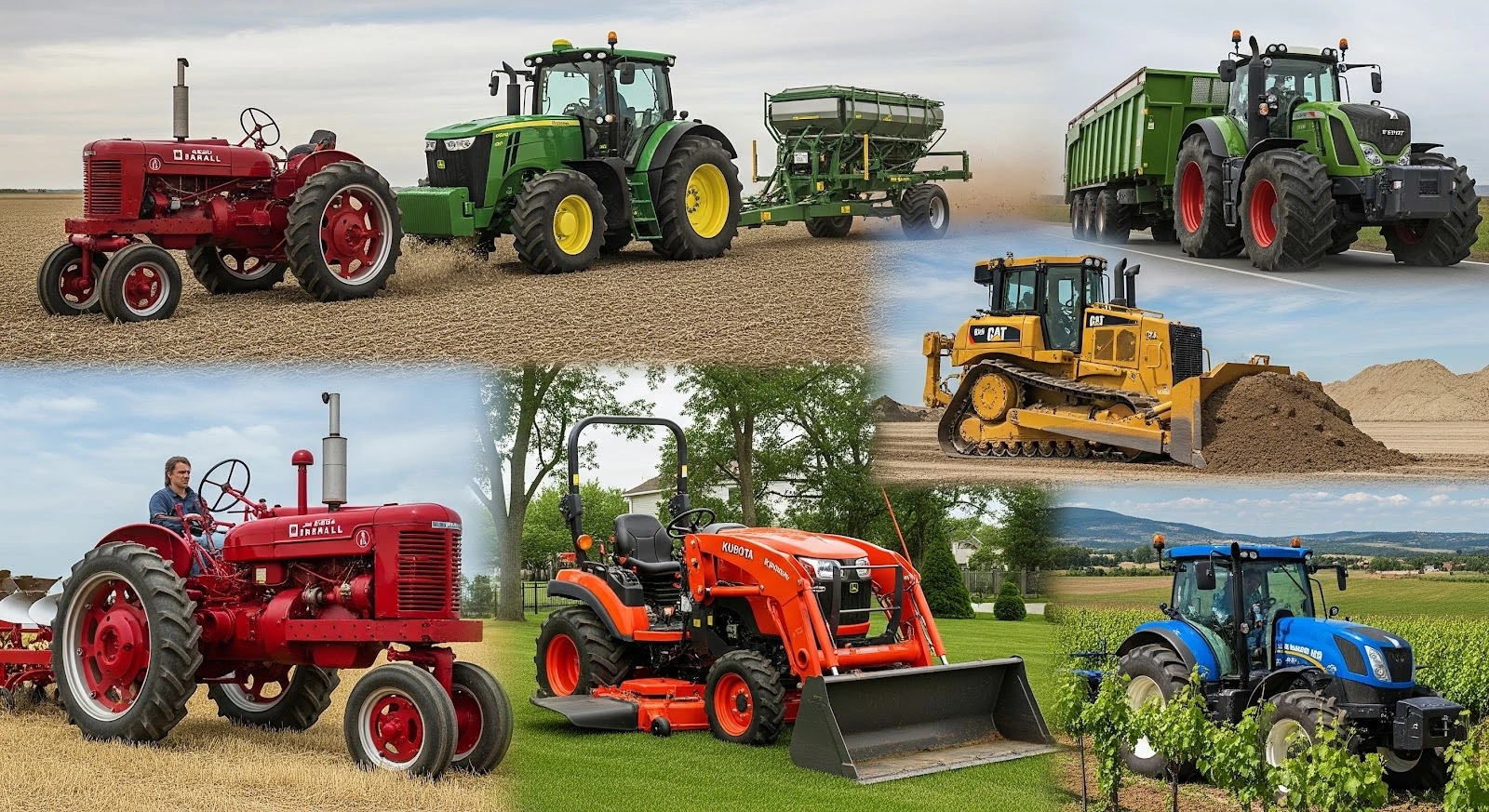
Types of Tractors and Agriculture Equipment in 2026
1. Sub-Compact & Compact Tractors (15–40 HP) Ideal for small farms, hobby properties, and landscaping. Popular models include:
- Kubota BX Series (e.g., BX23S)
- John Deere 1 Series / 1025R
- Mahindra eMax and Kioti models
These versatile agriculture tractor options pair perfectly with loaders, backhoes, mowers, and tillers.
2. Utility / Mid-Size Tractors (40–100 HP) The sweet spot for most family farms and medium operations. Examples:
- New Holland Workmaster Series
- Kubota L Series
- Massey Ferguson and Kioti utility lines
Great for farm tools and equipment like balers, sprayers, and front-end loaders.
3. High-Horsepower Row-Crop & Specialty Tractors (100+ HP) Built for large-scale commercial farming with advanced precision ag features.
2026 Tractor Pricing Guide
Tractor costs in 2026 vary significantly based on horsepower, features, and brand:
- Sub-Compact Tractors: $16,000 – $35,000 (e.g., Kubota BX23S around $23,500–$28,000)
- Compact Utility Tractors: $17,000 – $50,000+ (John Deere 1025R packages often $20,000–$23,000 with loader)
- Mid-Size Utility Tractors: $40,000 – $75,000
- High-Horsepower Tractors: $100,000 – $1.3 million+
Note: High-horsepower tractor prices have softened in early 2026, creating good buying opportunities for low-hour used or nearly new units. Many dealers offer financing deals, cash discounts, and bundles with agricultural tools and equipment.
Essential Agricultural Tools and Equipment to Pair with Your Tractor
A tractor is only as useful as the implements attached to it. Here are must-have farm tools and equipment and agriculture equipment categories:
Core Implements:
- Front-end loaders and backhoes
- Rotary tillers / rotavators
- Box blades and land planes
- Mowers (finish, rotary, flail)
- Seeders and planters (precision planters gaining popularity)
Specialized Agriculture Equipment:
- Sprayers and fertilizer spreaders
- Balers and hay equipment
- Post hole diggers and augers
- Trailers and wagons
- Snow blowers / plows (for year-round use)
Emerging Tech in 2026:
- GPS-guided precision tools
- Drones for monitoring
- Variable rate technology (VRT) for fertilizers and sprays
- Electric or autonomous implements
Matching the right agricultural tools and equipment to your tractor horsepower and hitch category (Category 0, 1, 2, or 3) ensures safe and efficient operation.
How to Choose the Right Agriculture Tractor
Consider these key factors:
- Farm Size & Tasks - Small acreage? Go compact. Row crops? Consider utility or larger.
- Horsepower & PTO - Match HP to the heaviest implements you'll use.
- Transmission - Hydrostatic for ease, gear/shuttle for heavy work.
- Features - Cab vs. ROPS, 4WD, loader readiness, precision ag readiness.
- Budget & Resale - Factor in maintenance, fuel, and future resale value.
- Brand Reliability - Top brands in 2026 include John Deere, Kubota, Mahindra, New Holland, Kioti, and TYM.
Pro Tips for Buying Tractor + Agricultural Equipment in 2026
- Buy in bundles - Many dealers discount tractor + loader + implements packages.
- Look for used/low-hour units - Especially high-HP models where prices have dropped.
- Test drive and demo implements before purchasing.
- Check warranty, service availability, and parts support in your area.
- Consider financing and tax incentives for new energy-efficient agriculture equipment.
A well-chosen tractor combined with quality agricultural tools and equipment becomes a long-term investment that pays dividends for years.
Ready to upgrade your farm? Research current models, compare agriculture tractor options from trusted brands, and contact local dealers for demos and quotes. The right tractor and supporting farm tools and equipment can transform your operation in 2026 and beyond.