Housing costs continue climbing while homeowners seek flexible, affordable living options. Shed to home conversions offer a smart solution — turning existing backyard structures into comfortable ADUs, guest houses, home offices, or full-time residences. In 2026, improved building techniques and relaxed zoning in many areas make these projects more achievable and attractive than ever.
Emerging Trends in Shed To Home Conversions for 2026
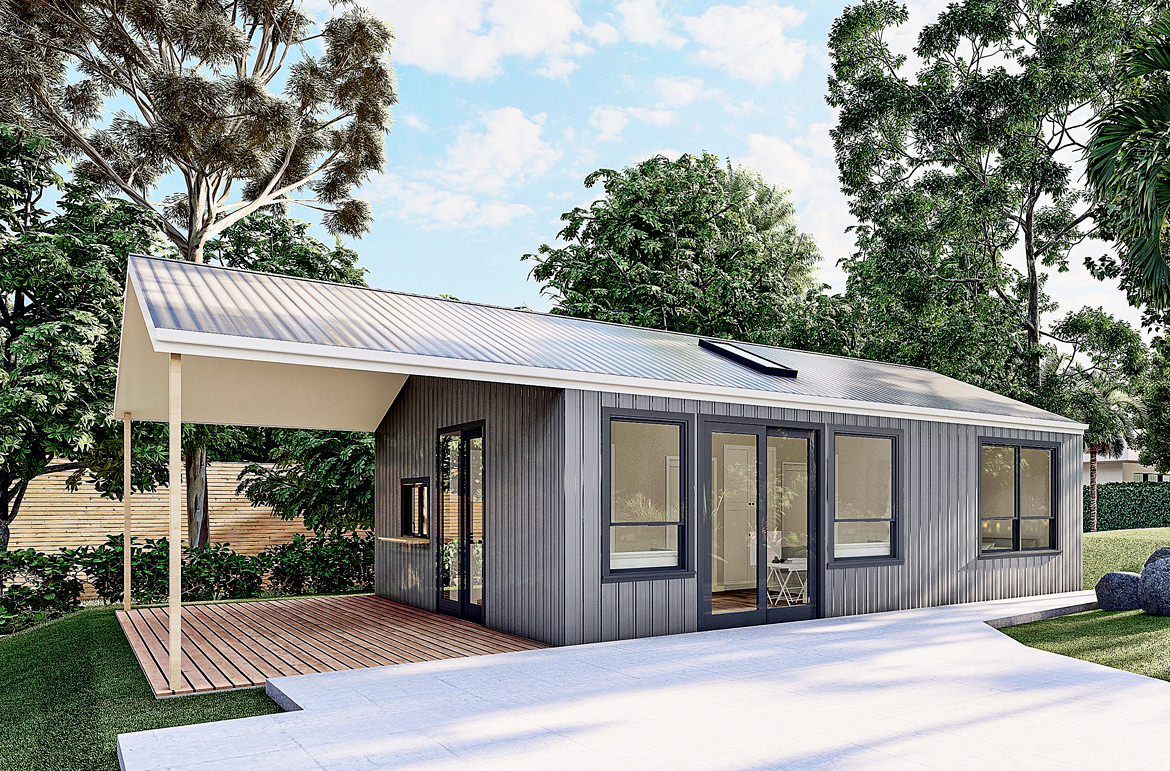
The movement has matured with several exciting directions:
- Modern Minimalist Sheds — Clean lines with large windows and industrial accents
- Biophilic & Nature-First Designs — Heavy use of natural light, indoor plants, and outdoor connections
- Off-Grid Capabilities — Solar power, composting toilets, and rainwater systems
- Multi-Purpose Flexibility — Spaces that easily switch between office, studio, and guest suite
- Sustainable Upgrades — Advanced insulation, recycled materials, and energy-efficient systems
These trends help shed to home projects feel like intentional architecture rather than basic conversions.
What Does a Successful Shed To Home Conversion Actually Look Like?
A well-executed shed to home goes far beyond adding a bed and paint. It involves structural reinforcement, proper insulation, full electrical and plumbing systems, quality windows, and thoughtful interior layouts. The best conversions feel spacious, well-lit, and integrated with the surrounding landscape while meeting local building codes.
How Much Does a Shed To Home Conversion Cost in 2026?
Costs vary significantly based on size, location, and finishes. A basic 200–400 sq ft conversion often ranges from $25,000 to $65,000, while more luxurious or fully off-grid versions can reach $80,000–$150,000+.
Key cost drivers include foundation work, insulation, plumbing, electrical, and permitting. However, compared to new construction, shed to home projects typically save 40–60% while delivering faster completion times of 2–6 months.
Is a Shed To Home Conversion Right for Your Property?
:max_bytes(150000):strip_icc()/TinyHouse2-a0324877a2534632ad4213c16785337f.jpg)
Consider these diagnostic questions:
- Do you have an existing sturdy shed or space for a new prefab structure?
- Are local zoning and HOA rules favorable for accessory dwelling units?
- Do you need extra living space for guests, work, or rental income?
- Can you handle the realities of smaller-scale living and utility upgrades?
Honest answers help determine whether a shed to home project aligns with your goals.
The Step-by-Step Framework for Successful Shed To Home Projects
Follow this proven 6-stage framework used by experienced builders in 2026:
- Assessment & Planning — Evaluate existing structure and obtain necessary permits
- Structural Reinforcement — Strengthen floors, walls, and roof as needed
- Systems Installation — Electrical, plumbing, HVAC, and insulation
- Exterior Upgrades — Windows, doors, siding, and weatherproofing
- Interior Fit-Out — Layout design, finishes, cabinetry, and furniture
- Final Integration — Landscaping, pathways, and utility connections
This structured approach minimizes expensive surprises and ensures code compliance.
Common Mistakes That Derail Shed To Home Conversions
.jpeg)
Many first-timers encounter issues because they:
- Underestimate the importance of proper insulation and ventilation in small spaces
- Skip professional engineering for structural modifications
- Choose cheap materials that fail quickly in outdoor conditions
- Ignore long-term maintenance access for plumbing and electrical
- Overlook natural light planning, resulting in dark, cramped interiors
Avoiding these requires treating the project as a serious build rather than a simple DIY weekend job.
Shed To Home vs Traditional ADU Construction: Head-to-Head Comparison
| Aspect | Shed To Home Conversion | New Traditional ADU |
|---|---|---|
| Average Cost | $25k–$150k | $100k–$300k+ |
| Timeline | 2–6 months | 6–12+ months |
| Design Flexibility | Moderate to High | Very High |
| Sustainability | High (repurposing existing structure) | Moderate |
| Permitting Difficulty | Often simpler | More complex |
| 2026 Practicality | Excellent for quick solutions | Better for larger custom projects |
Shed to home wins for speed and budget while still delivering charming results.
Essential Materials and Tools for Modern Shed To Home Builds
Focus on these 2026-friendly selections:
- Insulation: Spray foam or rigid panels for maximum efficiency in tight spaces
- Windows & Doors: Energy-efficient, low-E glass with strong security
- Flooring: Luxury vinyl plank or cork for durability and comfort
- Cladding: Fiber cement, metal, or reclaimed wood for weather resistance
- Design Tools: SketchUp, RoomSketcher, or specialized tiny home software
Smart lighting systems and compact appliances also make small spaces feel larger and more functional.
Practical Steps to Create a Livable Shed To Home
Implement these actions for the best outcome:
- Consult local building authorities early in the process
- Prioritize natural light with strategic window placement
- Invest in quality insulation and ventilation from the start
- Design multifunctional furniture and storage solutions
- Connect the space aesthetically to your main home through materials and landscaping
Thoughtful execution turns a basic shed into a desirable living destination.
Why Shed To Home Conversions Represent Smart Living in 2026
Shed to home projects solve multiple modern challenges at once: housing shortages, high construction costs, and the desire for flexible, personal spaces. When done right, they provide comfortable, character-filled homes that enhance property value and support changing lifestyles.
Whether used as a rental unit, creative studio, or peaceful retreat, a well-designed shed to home delivers freedom and functionality that traditional housing often cannot match economically. In 2026, these conversions continue proving that big living doesn’t always require a big footprint.