Cancer is a life-altering diagnosis that affects millions worldwide, bringing not only physical and emotional challenges but also significant financial strain. For many patients, maintaining a safe and comfortable living environment becomes a priority amid treatment regimens, medical bills, and reduced income. This is where specialized support programs step in, offering resources like home improvement grants for cancer patients, free home improvement grants for cancer patients, rental assistance for cancer patients, and housing vouchers for cancer patients. These initiatives can make a profound difference, helping individuals focus on recovery rather than worrying about housing instability. In this comprehensive guide, we'll explore these options in depth, drawing from reliable sources to provide actionable insights for those navigating this difficult journey.
Understanding the Housing Challenges Faced by Cancer Patients
A cancer diagnosis often disrupts daily life in unexpected ways. Treatments like chemotherapy, radiation, or surgery can lead to mobility issues, weakened immune systems, and the need for home modifications to ensure safety and accessibility. For instance, installing grab bars in bathrooms, ramps for wheelchairs, or air filtration systems to reduce infection risks might become essential. However, the high costs of such changes—often ranging from hundreds to thousands of dollars—can be overwhelming, especially when combined with lost wages or mounting medical expenses.
According to various health organizations, nearly half of cancer patients face financial toxicity, a term describing the economic hardship caused by treatment costs. This is compounded for those in low-income households or without adequate insurance. Fortunately, targeted programs exist to address these needs. Home improvement grants for cancer patients are designed to fund necessary repairs and adaptations, while rental assistance for cancer patients and housing vouchers for cancer patients provide relief for ongoing housing expenses. These resources are often funded by government agencies, nonprofits, and charitable foundations, emphasizing the meta SEO keyword: cancer, as a central focus for eligibility.

Exploring Home Improvement Grants for Cancer Patients
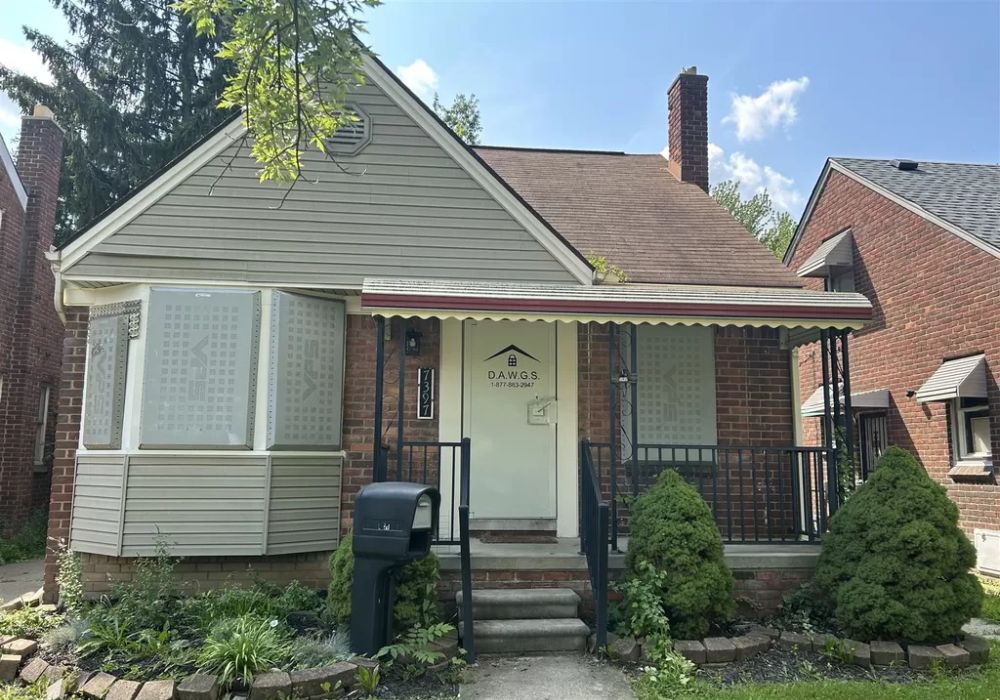
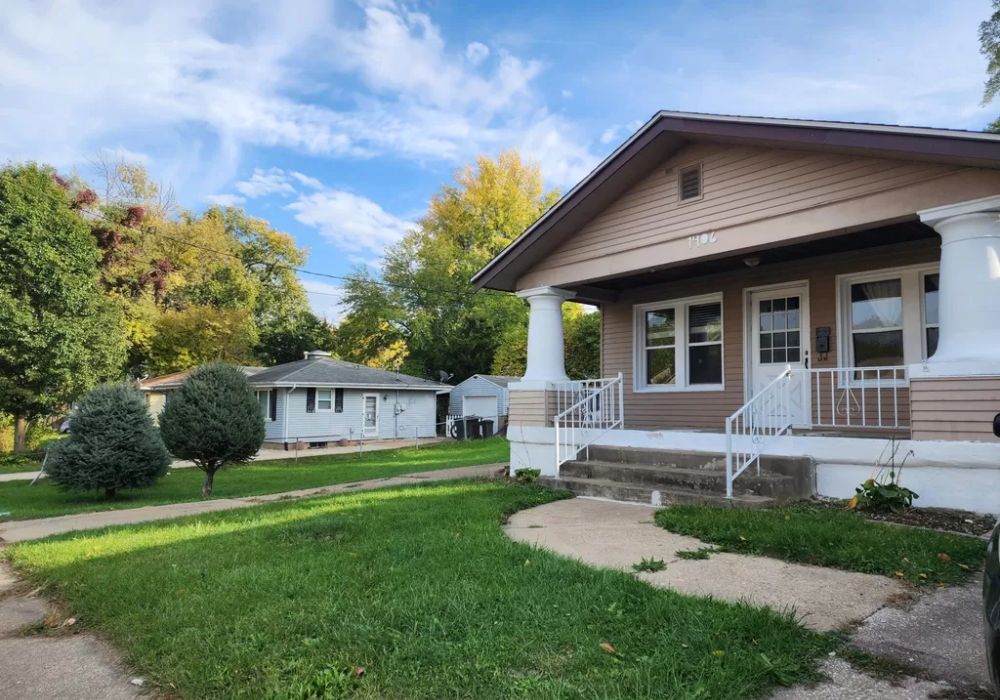
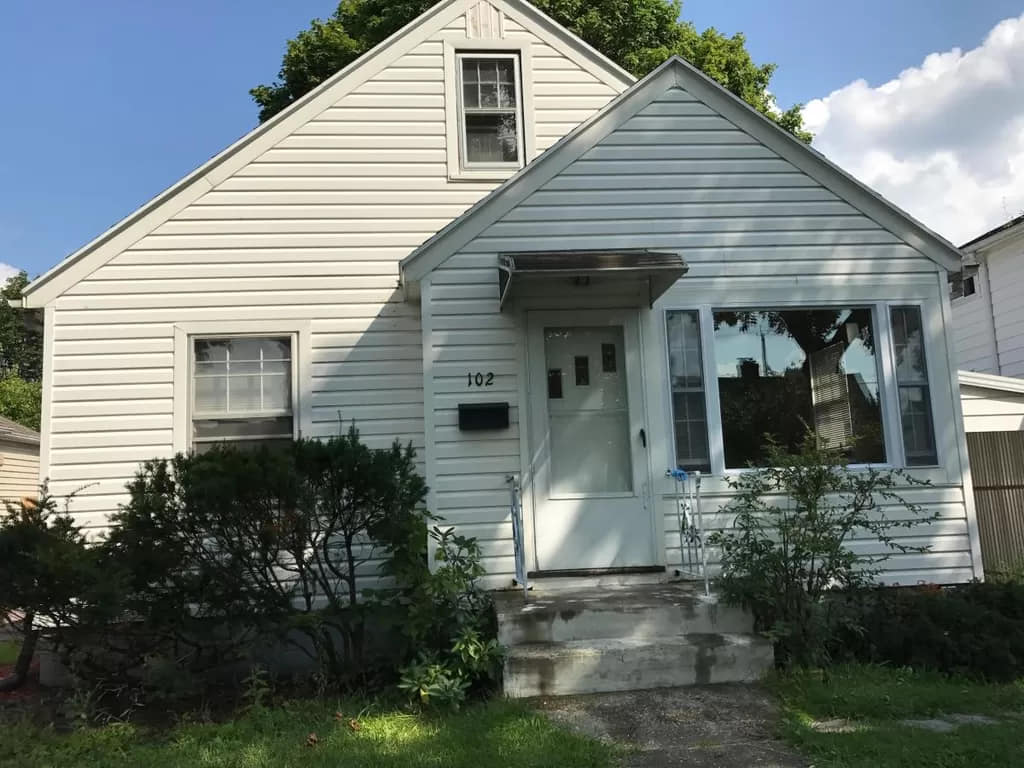
One of the most valuable resources is home improvement grants for cancer patients, which help cover the costs of making homes safer and more livable during treatment. These grants are typically need-based and can be used for repairs that remove health hazards, improve energy efficiency, or accommodate disabilities arising from cancer.
A prime example is the USDA Rural Development's Single Family Housing Repair Loans and Grants program. This initiative offers grants up to $10,000 (or $15,000 in disaster-declared areas) for very low-income homeowners aged 62 or older, or those with disabilities, to repair or modernize their homes. While not exclusively for cancer patients, many qualify if their condition leads to mobility limitations or health risks in the home. For instance, a patient undergoing chemotherapy might use the grant to fix leaky roofs that could lead to mold exposure, exacerbating respiratory issues.
In Ohio and Florida, similar state-specific extensions of this program provide up to $40,000 in loans combined with grants, focusing on essential repairs like plumbing, electrical systems, or accessibility modifications. Cancer patients in rural areas can apply through local USDA offices, providing proof of income, home ownership, and medical needs.
Nonprofit organizations also play a crucial role. The Patient Advocate Foundation offers financial aid funds, including partnerships like Mia's Miracles, which provide one-time grants of up to $2,000 for cancer patients. These can be allocated toward home improvements, such as installing non-slip flooring or widening doorways for medical equipment. Similarly, Livestrong's resources highlight the importance of home modifications for safety during cancer treatment, recommending grants for changes like better lighting or stair lifts.
For breast cancer patients, the Living Beyond Breast Cancer Fund provides grants from $500 to $1,250 for those in active treatment, which can include home adaptations. These programs underscore how home improvement grants for cancer patients not only address immediate needs but also promote long-term well-being.

Free Home Improvement Grants for Cancer Patients: No-Strings-Attached Support
Building on general grants, free home improvement grants for cancer patients offer funding without repayment obligations, making them particularly appealing. These are often sourced from charitable entities focused on alleviating non-medical burdens.
CancerCareNews outlines three no-cost programs, including the USDA grant mentioned earlier, emphasizing its role in helping low-income cancer patients with repairs. Additionally, the Florida Cancer Specialists Foundation provides financial aid for up to two years, which can cover home-related expenses for eligible patients.
Family Reach, a nonprofit dedicated to cancer families, offers free resources and grants for housing improvements when funds are available, ensuring patients can maintain a stable environment. Their approach includes assessing individual needs, such as energy-efficient upgrades to reduce utility bills—a common concern for those on fixed incomes during treatment.
Government programs like those from USAGov also list free home repair assistance, including weatherization grants that lower energy costs, indirectly supporting cancer patients by freeing up funds for medical care. In Hollywood, FL, the My Safe Florida Home Program provides free inspections and grants for wind mitigation improvements, beneficial for patients in hurricane-prone areas.
To access these free home improvement grants for cancer patients, start by contacting local health departments or cancer support networks. Documentation like medical records, income statements, and repair estimates is typically required.

Rental Assistance for Cancer Patients: Bridging the Gap in Housing Costs
For renters, rental assistance for cancer patients is a lifeline, preventing eviction or homelessness during vulnerable times. Cancer treatments often require frequent travel or extended hospital stays, making consistent rent payments challenging.
The American Cancer Society (ACS) provides extensive support, including the Hope Lodge program, which offers free temporary housing for patients and caregivers far from home. While not direct rent aid, it serves as rental relief by covering lodging costs during treatment.
Cancer and Careers lists resources like the SAMFund, which grants cover rent or mortgage for young adult survivors. New Day Foundation pays critical living expenses, including rent, for families with a cancer patient in active treatment.
Blood Cancer United offers up to $200 for mortgage or rent, with some programs capping at $500 annually. The International Myeloma Foundation (IMF) partners with Airbnb and Red Door Community for rental assistance during travel for treatment.
Local United Way chapters may also provide rent help, as noted by CancerCare. For lung cancer patients, Asbestos.com details grants for living expenses, including rent.
Housing Vouchers for Cancer Patients: Long-Term Stability Options
Housing vouchers for cancer patients often tie into broader federal programs like Section 8 (Housing Choice Voucher), which can be prioritized for those with medical needs. A study in PMC notes that vouchers, public housing, and assisted multifamily programs help cancer patients maintain stable housing.
While not cancer-specific, patients can apply through local housing authorities, providing medical documentation to expedite approval. ACS's patient lodging extends to voucher-like support via Hope Lodge. IMF and Patient Advocate Foundation also cover housing assistance in their grants.
%20%7D%7D)
How to Apply and Maximize These Resources
Applying for these programs involves gathering documents like proof of diagnosis, income verification, and expense details. Start with national organizations like ACS or PAF for guidance. Local cancer centers often have social workers to assist.
In conclusion, home improvement grants for cancer patients, free home improvement grants for cancer patients, rental assistance for cancer patients, and housing vouchers for cancer patients represent a network of support empowering individuals to thrive despite adversity. By leveraging these resources, patients can create a nurturing home environment conducive to healing. If you're facing cancer, reach out today—help is available to lighten the load.